Pure knowledge of the filtration industry! : Filter-Campus

Our Filter-Campus offers you pure knowledge about test standards of well known filter classes within the filter industry. Learn more about requirements on air filters in order to choose the right filter type for your application. Our Case Studies analyse the optimal filtration mix for different purposes and present you achievable benefits for your operation. And our short clips give you a quick round trip through the entire filter world of EMW!


iecex vs atex

General : iecex vs atex

For use in potentially explosive atmospheres, air filters must meet special requirements. Until recently, these requirements were laid down in the ATEX Directive. However, this directive no longer applies to air filters! In order not only to continue to provide safety in potentially explosive atmospheres, but also to be able to prove it, the former ATEX filters are now certified to IECEx. The difference between ATEX and IECEx is explained below.

Indoor Air Quality – Optimal Air Filtration According to ISO 16890

General ISO 16890 : Indoor Air Quality – Optimal Air Filtration According to ISO 16890

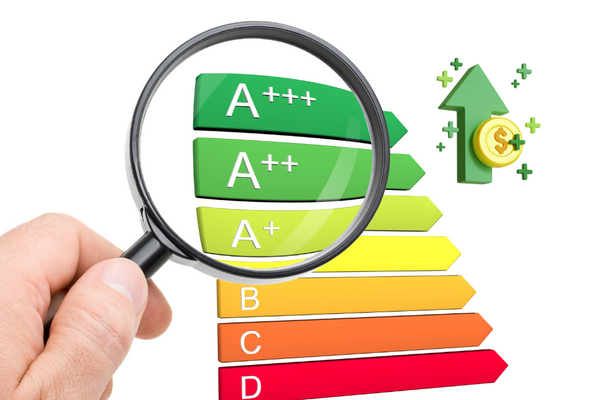
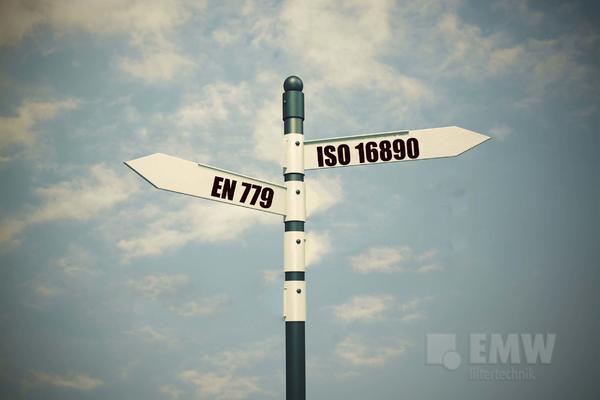
ISO 16890 evaluates air filters based on their effectiveness against particulate matter (PM1, PM2.5, PM10) and has replaced EN 779 since 2018. Outdoor air is classified into ODA categories, while indoor air quality is defined using SUP categories, depending on the building’s purpose. The appropriate filter class is determined by combining both categories. This approach allows for targeted improvement of indoor air and reduces health risks from fine dust. It is important to note that an efficient filter should also be energy-optimized to keep operating costs low.

What is an aerosol?

COVID-19 General : What is an aerosol?

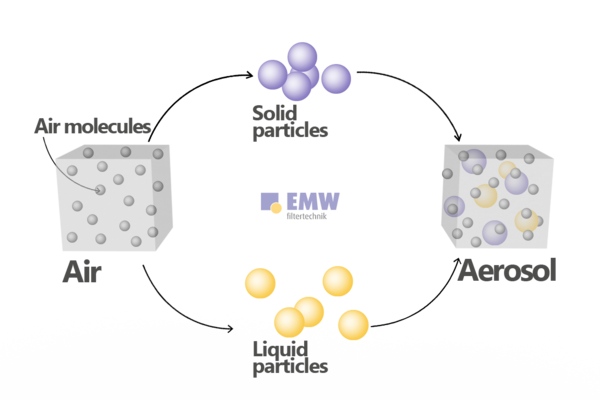
Unfortunately, the term aerosol is often wrongly defined and mistakenly interpreted as a mixture of particles. But how is an aerosol really defined? What is the difference to a particle? And what do we mean by talking about aerosol filtration and aerosol filters?

Clean Air Delivery Rate

COVID-19 General : Clean Air Delivery Rate

The Clean Air Delivery Rate is considered the evaluation standard for air purification devices. How does the determined value help us to evaluate the filter efficiency? And is an evaluation based on the Clean Air Delivery Rate sufficient for choosing the right air purifier? Learn more about the definition of the Clean Air Delivery Rate, how it is calculated and what you need to consider when evaluating the CADR value.

ISO 16890 Replaces EN 779

ISO 16890 : ISO 16890 Replaces EN 779

ISO 16890 regulates classification of particulate filters for room air. This new standard, in effect since late 2016, has superseded European standard EN 779 in mid-2018.

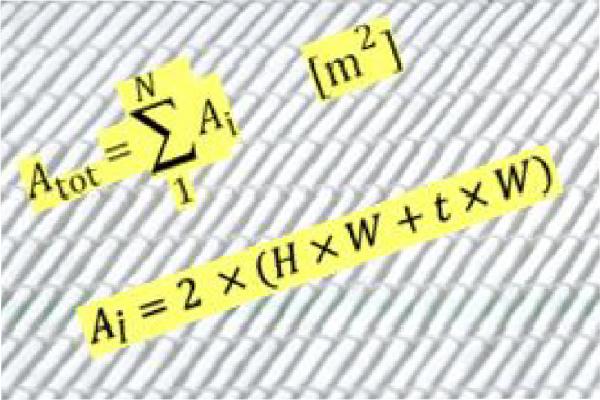
Effective Filter Media Area

General : Effective Filter Media Area

Effective filter media area is an important characteristic of an air filter. How is effective filter area determined and calculated? And does higher effective area really increase a filter’s separation efficiency?

Dust Holding Capacity

General : Dust Holding Capacity

We will take a closer look at dust holding capacity, its meaning, the test procedures used to determine it and its relevance to practice.

EMW® Pulsfilter vs. Pleat-Lock

Case Study : EMW® Pulsfilter vs. Pleat-Lock

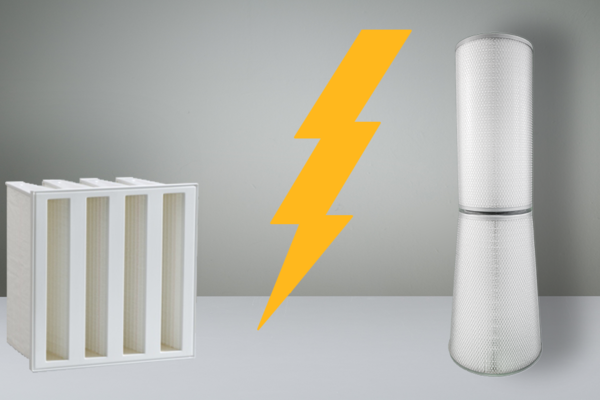
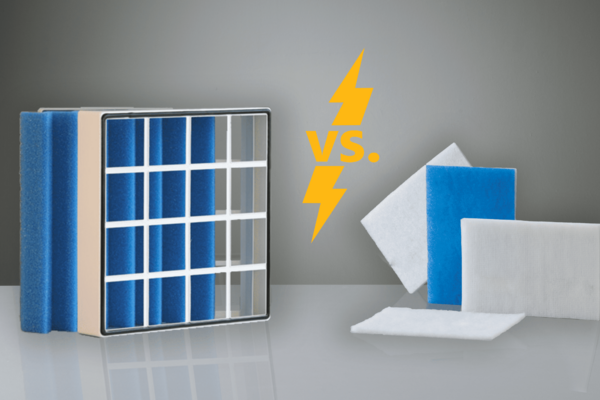
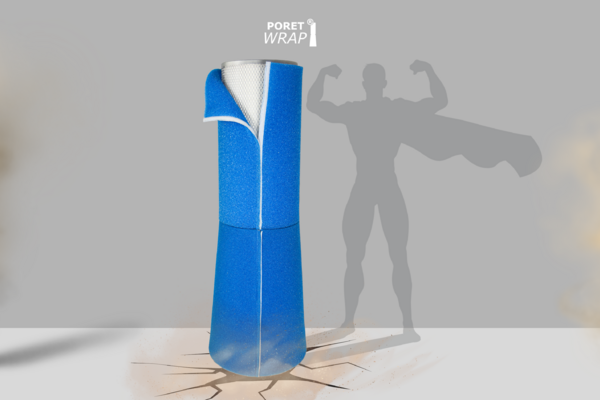
EMW® Pulse Filters combined with the pulsable pre-filter media Poret® Wrap ensure a more stable differential pressure, lower operating costs and a longer service life — delivering a measurable contribution to plant availability and energy efficiency.

Compare